California's chemical-warning law reaches any brand that sells there. Here's what it means for sweaters — and why the right materials matter more than the warning label.
California's Proposition 65 requires a "clear and reasonable warning" before knowingly exposing people to any of hundreds of listed chemicals. It's a California law, but because brands sell nationwide, it effectively reaches the whole US market. For apparel, the risk isn't the fabric itself so much as what's added to it — certain dyes, prints, coatings and trims.
Zippers, buttons, rivets and metal logos can carry lead or cadmium. These small parts are a frequent source of notices.
Plastisol prints and some coatings can contain phthalates. Screen-printed graphics on knit tops are a common flashpoint.
Certain colorants and easy-care finishes can carry restricted substances such as formaldehyde or specific aromatic amines.
Water- and stain-repellent treatments are under growing scrutiny — and several US states now restrict PFAS in apparel outright.
Prop 65 is enforced largely through private actions: a plaintiff sends a 60-day notice alleging a missing warning, and many cases settle. A warning label is one route, but for a fashion brand it's a poor look and not a shield against everything. The cleaner path is to not have the problem — source materials that keep the listed chemicals out in the first place.
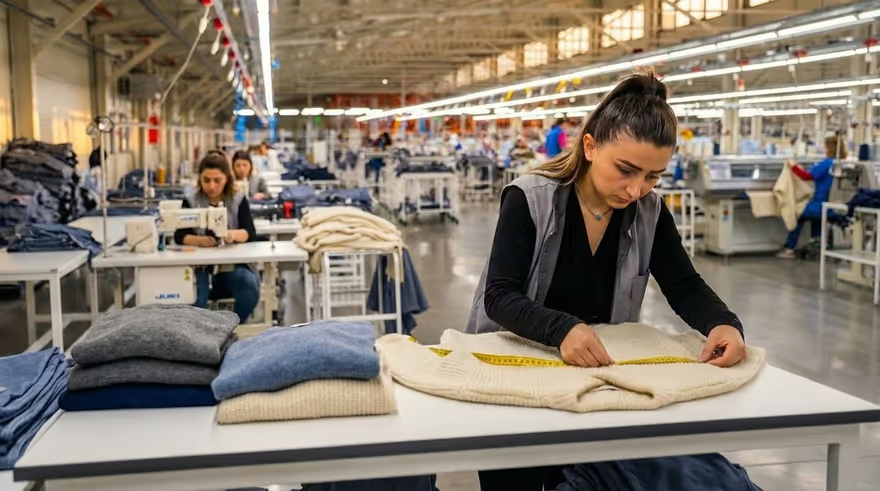
Use yarns and trims from accredited suppliers with restricted-substance documentation — OEKO-TEX Standard 100 yarns, for example, are tested against a long list of harmful substances, which lowers (not eliminates) Prop 65 exposure. Specify compliant trims, avoid problem prints where you can, and test finished goods for the styles that carry the most risk. We source certified yarns and produce to your restricted-substance list; final compliance and any warning decisions stay with your brand and counsel.
Compliance Resource
Full import compliance guide: Prop 65, UFLPA, HTS codes and FTC labeling.
See compliance guide →Send your spec and any brand RSL. We'll quote with certified-yarn and compliant-trim options and the documentation to back them.