Since 2022, the Uyghur Forced Labor Prevention Act (UFLPA) has given US Customs and Border Protection (CBP) a rebuttable presumption: goods linked to China's Xinjiang region — or to entities on the UFLPA Entity List — are presumed made with forced labor and barred from entry unless the importer proves otherwise by clear and convincing evidence. For knitwear, the pressure point is obvious: cotton. Xinjiang accounts for a large share of the world's cotton, so a sweater's yarn is exactly what CBP scrutinizes.

Why It Matters for Sweater Brands

A UFLPA detention isn't a fine you pay and move on. CBP holds the shipment at the port while you assemble documentation tracing the cotton back to a non-Xinjiang origin. That can mean weeks of delay, demurrage costs, a missed season, and a paper trail you may not have if your supply chain runs through opaque intermediaries. The importer of record carries that burden — not the overseas factory.

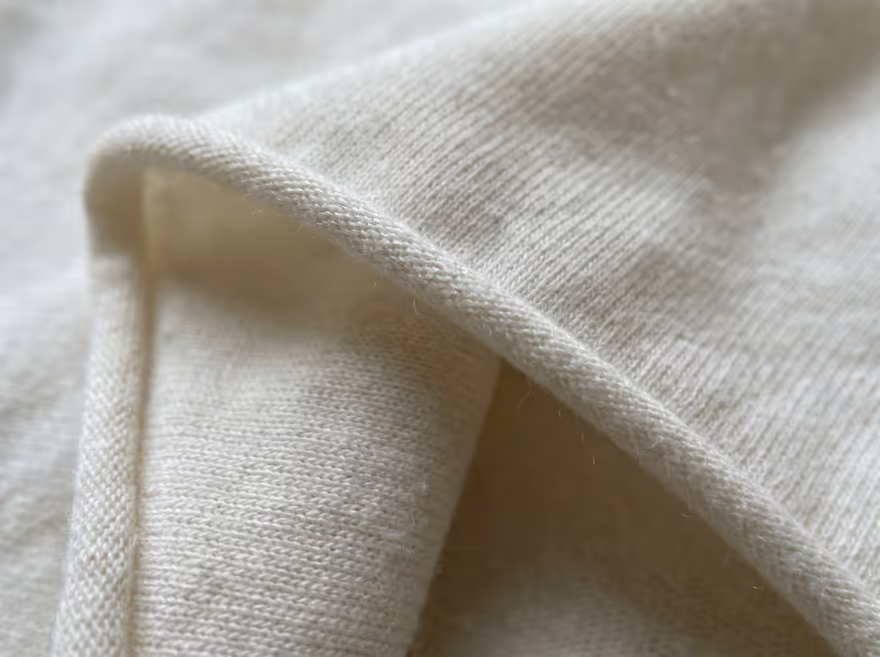
Knitwear quality control — hem and finishing detail, Kiwi Giyim
Hem finishing QC: seam allowance, fold consistency, and label placement checked per unit

The Due-Diligence Checklist

1

Map your supply chain to fiber origin

Trace each style back through garment → yarn → raw fiber. You need to know where the cotton was grown, not just where the sweater was knitted.

2

Get written non-Xinjiang declarations

Obtain a signed statement from your manufacturer and yarn supplier confirming the cotton's country of origin and that no Xinjiang material or UFLPA-listed entity is involved.

3

Keep the transaction trail

Purchase orders, commercial invoices, packing lists, bills of lading and — critically — yarn purchase records and mill certificates. CBP wants a documented chain, not assurances.

4

Prefer certified, traceable yarns

OEKO-TEX, GOTS or BCI yarns from accredited suppliers come with documentation that supports an audit. Turkish-grown or other clearly non-Xinjiang cotton removes the highest-risk question entirely.

5

Have a corrective-action plan ready

Know in advance who pulls the documents, how fast, and which licensed customs broker or trade attorney handles a CBP request for information. Speed is what limits the damage.

How Sourcing Outside China Lowers the Risk

UFLPA risk is concentrated in supply chains that touch China. Knitting in Turkey on non-Xinjiang cotton — with mill certificates and a short, single-site chain you can actually document — takes the highest-risk variable off the table before a container ever sails. It doesn't replace your own due diligence, but it makes the paperwork defensible.

A Note on Scope

We're a knitwear manufacturer, not a customs broker or law firm, and this is general information — not legal or compliance advice. UFLPA enforcement and the Entity List evolve, and responsibility for admissibility sits with the US importer of record. Confirm your obligations with a licensed customs broker or trade attorney. What we can do is give you a traceable supply chain and the documentation to back it up.

Frequently Asked Questions

What is UFLPA and how does it affect knitwear imports?

UFLPA (Uyghur Forced Labor Prevention Act, enacted 2022) creates a rebuttable presumption that goods linked to China's Xinjiang region or UFLPA-listed entities are made with forced labor and barred from US entry. For knitwear, risk centers on cotton origin — Xinjiang supplies a significant share of global cotton, so yarn traceability is what CBP scrutinizes.

What documentation do I need to fight a UFLPA CBP hold?

CBP requires clear and convincing evidence tracing fiber to non-Xinjiang origin: yarn purchase records, mill certificates, signed non-Xinjiang declarations from manufacturer and spinner, commercial invoice trail, and bills of lading. The evidentiary bar is high — preparation before shipment is essential, not post-detention scrambling.

Does UFLPA apply to Turkish knitwear?

UFLPA targets goods with a nexus to Xinjiang or UFLPA-listed entities. Turkish knitwear using Turkish or European cotton is not subject to the rebuttable presumption. US importers still carry general forced-labor due diligence obligations, but the highest-risk documentation burden is substantially lower.

What yarn certifications help with UFLPA compliance?

OEKO-TEX STANDARD 100, GOTS (Global Organic Textile Standard), and BCI (Better Cotton Initiative) certifications provide documented supply chain evidence supporting non-Xinjiang origin. Turkish-grown cotton with mill certificates from a Turkish or European spinner creates a strong, auditable compliance position.

Can a UFLPA detention be reversed after the fact?

Yes — if the importer submits sufficient evidence to CBP within the allowed response window. This requires a complete paper trail, fast assembly of documentation, and typically a licensed customs broker or trade attorney. Prevention through traceable sourcing is far simpler than a post-detention rebuttal. This article is general information, not legal advice.
Related Reading

Section 301 Tariffs & Sweater Costs

How Section 301 duties stack on top of UFLPA risk — and why Turkey exits both challenges simultaneously.

Forced Labor Compliance Beyond UFLPA

FTC, state-level and EU CSDD requirements that go beyond UFLPA — and what a clean knitwear supply chain looks like.

Turkey vs China Knitwear 2026

The compliance, cost and speed comparison US brands need when re-evaluating China sourcing in 2026.

Compliance Resource

US Sweater Import Compliance Guide

Full import compliance guide: UFLPA, HTS classification, FTC labeling and Prop 65.

See compliance guide →

Sourcing knitwear with a clean paper trail?

Send us your tech pack or brief. We'll quote with non-Xinjiang, certified-yarn options and the documentation your compliance review needs.

Related Guides

→ Forced Labor Compliance in Knitwear Supply Chains → FTC Labeling for Imported Sweaters → Prop 65 & Imported Knitwear
WhatsApp