WHOLEGARMENT is Shima Seiki's seamless knitting technology: the garment comes off the machine in one complete piece — body and sleeves together — with no side or shoulder seams to link or sew. For a premium or contemporary US brand, that's not a gimmick; it changes how the piece feels, drapes and lasts.

Why It Resonates With Premium Brands

01

Comfort

No seams means no rubbing and a cleaner next-to-skin feel — the "elevated basic" comfort customers pay up for.

02

Clean Lines

An uninterrupted surface and silhouette reads as quality on a product page and in the hand.

03

Durability

Fewer seams means fewer failure points. The garment holds its shape and survives wear better.

04

A Real Sustainability Story

Knit-to-shape is near zero-waste — a credible, documentable claim, not a marketing flourish.

The China Angle

WHOLEGARMENT capacity is specialized — it isn't where commodity sweater volume goes. For US brands already moving production out of China for tariff and compliance reasons, it's a chance to trade up, not just sideways: a genuinely better-made garment, on non-Xinjiang yarns, with the documentation to back the story. Differentiation and de-risking in the same move.

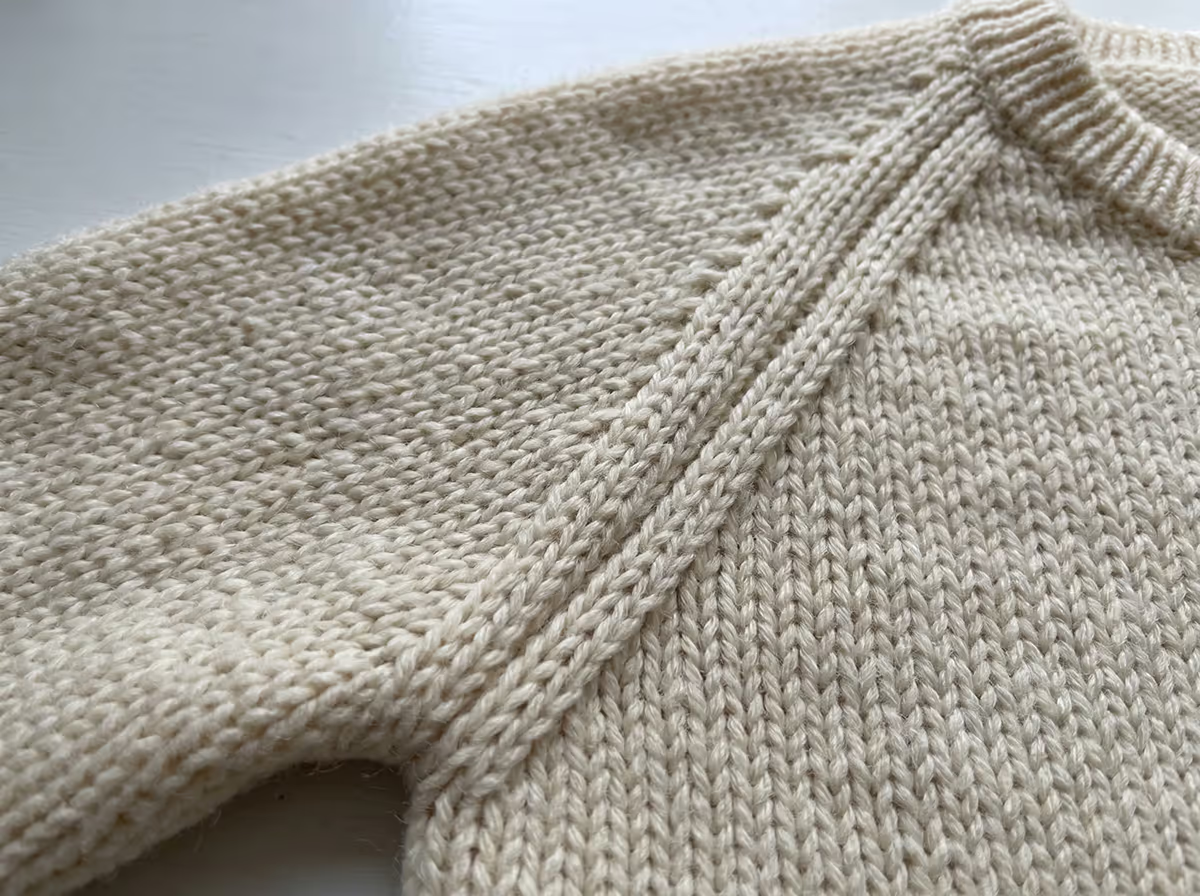
Fully-fashioned knitwear panel — shaped without cutting, Kiwi Giyim
Fully-fashioned shaping: armhole and neckline curves knitted in, zero cut waste

When It's Not the Answer

Honestly: WHOLEGARMENT isn't for every style. It takes more machine time per piece, so for simple, price-driven basics at high volume, fully-fashioned or standard flat-knit is the smarter, more economical route — and we run those too. The right method follows the product, not the brochure. We'll tell you when a seam is the better business decision.

WHOLEGARMENT: Practical Specs for US Buyers

SpecWHOLEGARMENTFully-Fashioned
Gauges available7GG–14GG primarily3GG–16GG full range
MOQ250 pcs/style/color250 pcs/style/color
CMT premium vs. standard+20–40 %Base reference
Sample lead time12–18 days10–14 days
Fabric waste< 2 %5–12 %
Best forHero styles, premium tiers, seamless basicsHigh volume, structured shapes, cost-sensitive

How US Brands Typically Use WHOLEGARMENT

01

Hero SKU in a Collection

Run 2–3 WHOLEGARMENT styles as the elevated anchor pieces at a premium price point, while fully-fashioned fills the volume base of the line. The hero styles justify the story; the base styles hold the margin.

02

Capsule Collections

For 250–500 pc limited drops — collabs, seasonal capsules, founder-edition runs — WHOLEGARMENT is a natural fit. The MOQ is identical to standard flat-knit, so no extra commitment required.

03

DTC / Shopify Brands

Direct-to-consumer brands get full margin control. A WHOLEGARMENT merino turtleneck at $175–250 retail is a clean story: no seams, traceable yarn, made in Turkey. That justifies the price without discounting.

04

Sustainability-Led Brands

Near-zero fabric waste is documentable. For brands reporting scope 3 emissions or publishing supply chain data to CSRD-adjacent frameworks, WHOLEGARMENT provides a verifiable metric — not just a claim.
Manufacturing Service

WHOLEGARMENT Knitwear Manufacturing

In-house WHOLEGARMENT production in Gaziantep — 7GG to 14GG, 250 pcs MOQ, samples in 12–18 days.

See WHOLEGARMENT capabilities →

Considering seamless for a hero style?

Send the concept or tech pack. We'll advise WHOLEGARMENT vs fully-fashioned honestly and quote both where it helps.

Related Guides

→ Flat Knit vs Cut-and-Sew Knitwear: A Brand Decision Guide → WHOLEGARMENT Seamless Knitwear: A Deep Dive for US Brand Buyers → Knitwear Gauge Guide: 3gg to 16gg Explained for US Brand Buyers
WhatsApp