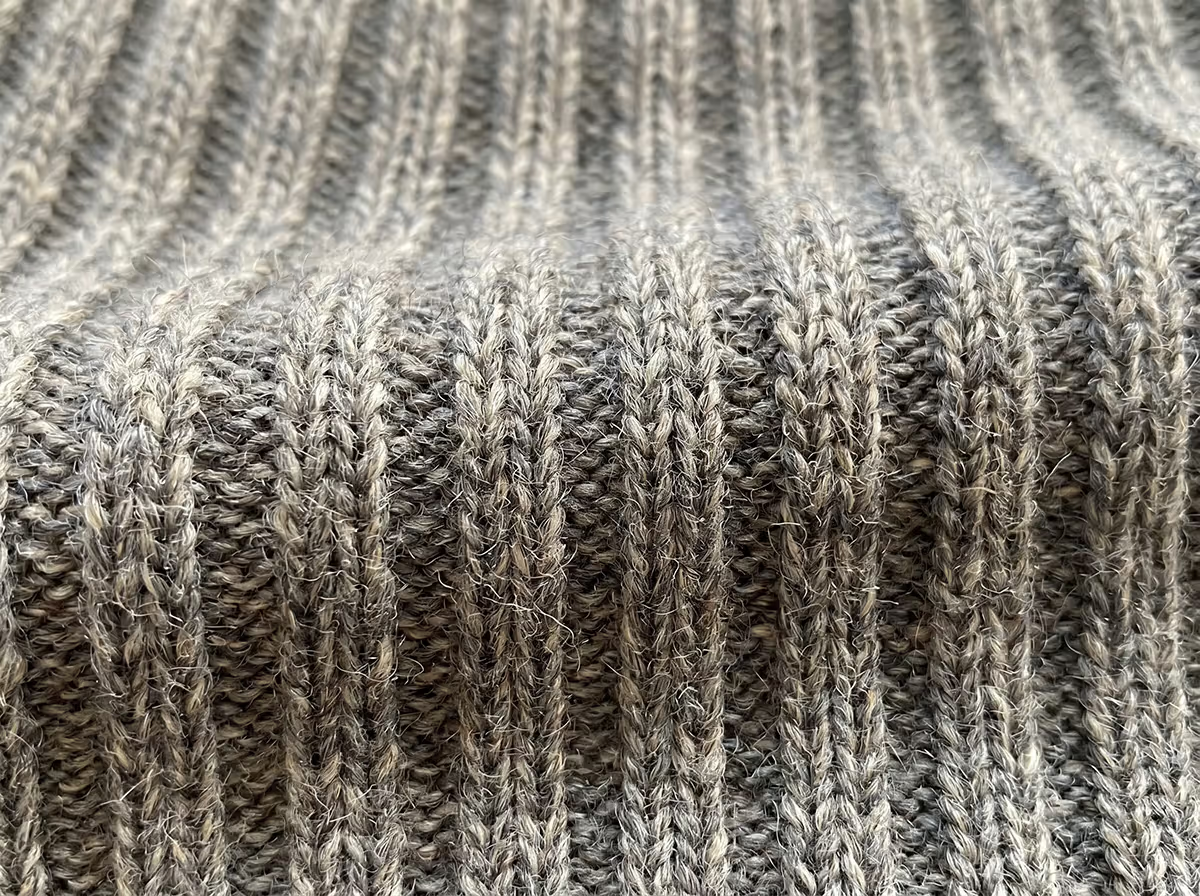
3gg
Super Chunky
Yarn: Very bulky — typically 1/2 to 1/3.5 Nm range, thick single or 2-ply. Fiber: Wool blend, acrylic blend, alpaca blend. Fine fibers (cashmere, superfine merino) are not used at 3gg — the needle spacing is too wide for fine yarn to produce a stable fabric. Piece weight: 600–1,200 g per sweater depending on size and silhouette. Seasonal use: AW only — too warm and bulky for spring/summer. Look: Oversized, textured, hand-knit aesthetic. Wide ribs, thick cables. Price impact: Moderate CMT but high yarn cost per piece due to weight. Freight cost is also higher per piece.
5gg
Chunky
Yarn: Bulky — 1/5 to 1/7 Nm range. Fiber: Wool blend, merino blend, acrylic blend for accessible price points, alpaca blend for premium. Piece weight: 400–800 g. Seasonal use: AW, some trans-seasonal in lightweight constructions. Look: Cozy, substantial texture. Popular for US women's and men's winter capsules. Cable and rib detail very visible and effective at this gauge. Price impact: CMT is moderate; 5gg machines are widely available. Good balance of visual impact and production cost for mid-market brands.
7gg
Midweight — Most Popular
Yarn: Medium weight — typically 2/16 to 2/28 Nm range. Fiber: All fiber types work well at 7gg — merino, wool blend, cotton blend for transitional, acrylic blend for value. Piece weight: 300–500 g. Seasonal use: AW primary, SS in lightweight cotton or linen blends. Look: Classic sweater weight. Defined stitch structure without being chunky. Cables, ribs, jacquard all produce clear results. Machine availability: The highest availability gauge range in most factories. Price impact: Efficient production speed; most factories can quote competitive CMT at 7gg.
10gg
Lightweight Structured
Yarn: Fine-medium — 2/28 to 2/36 Nm range. Fiber: Merino, cotton, linen blend, fine acrylic. Piece weight: 200–350 g. Seasonal use: Year-round depending on fiber — cotton/linen at 10gg works well for SS; merino at 10gg is excellent for trans-seasonal. Look: Structured, drapes well, less texture bulk than 7gg. Good for fitted silhouettes and layering pieces. Price impact: Slightly higher CMT than 7gg (slower production pace per panel); fabric yield is better so yarn cost per piece is lower than chunky gauges.
12gg
Fine Gauge — Dress Weight
Yarn: Fine — 2/48 to 2/60 Nm range. Fiber: Fine merino, cotton, silk blend, cashmere blend. Coarser fibers do not work at 12gg — the needles will not accept them. Piece weight: 150–280 g. Seasonal use: Trans-seasonal and SS; can work AW in wool if layered. Look: Falls like a woven fabric. Clean surface, minimal texture bulk. Suitable for tops that sit between a knit and a blouse in styling context. Price impact: Higher CMT than 7gg — slower production, finer machine, more tension sensitivity. But yarn cost per piece drops significantly.
14–16gg
Ultra-Fine — Luxury
Yarn: Very fine — 2/72 Nm and finer. Fiber: Superfine merino (18.5 micron or finer), cashmere (2-ply is typical), silk, baby alpaca. Standard wool cannot be used — too rough, will cause yarn breaks on ultra-fine needles. Piece weight: 100–200 g. Seasonal use: Year-round for cashmere; SS for superfine merino and silk blends. Look: Exceptionally fine hand, almost woven appearance, drapes with extreme fluidity. The hallmark of luxury knitwear at this gauge. Machine availability: 14–16gg machines are fewer in number and require higher maintenance precision. Price impact: Highest CMT. Premium yarn. Suited to high-end contemporary and luxury retail price points ($180–$400+ retail).
Mixed
Multi-Gauge (Intarsia / Shaped Sections)
Some designs use different gauge sections within a single garment — for example, a 7gg body with a 3gg rib trim. This is achievable on certain flat-knit machines but requires machine changeover or a separate rib attachment process. Stoll CMS machines (which Kiwi Giyim operates) can handle multi-gauge programming for structured designs. This is not standard production — it adds programming complexity and CMT cost, but the design result can be distinctive. Confirm machine capability with the factory before specifying multi-gauge construction in your tech pack.
Key
Choosing the Right Gauge
The gauge decision starts with your fiber and your price point, not with aesthetics alone. If you want to use cashmere, 7gg or finer is the practical range — you won't get a stable fabric with bulky cashmere. If your retail price is below $80, ultra-fine gauge in premium fiber is not viable economically. Match gauge to fiber availability, fiber cost, target piece weight, and the CMT budget your retail price supports. When in doubt, request a gauge swatch in your target fiber before specifying a gauge in the tech pack.