01
Gauge: 3gg vs 5gg
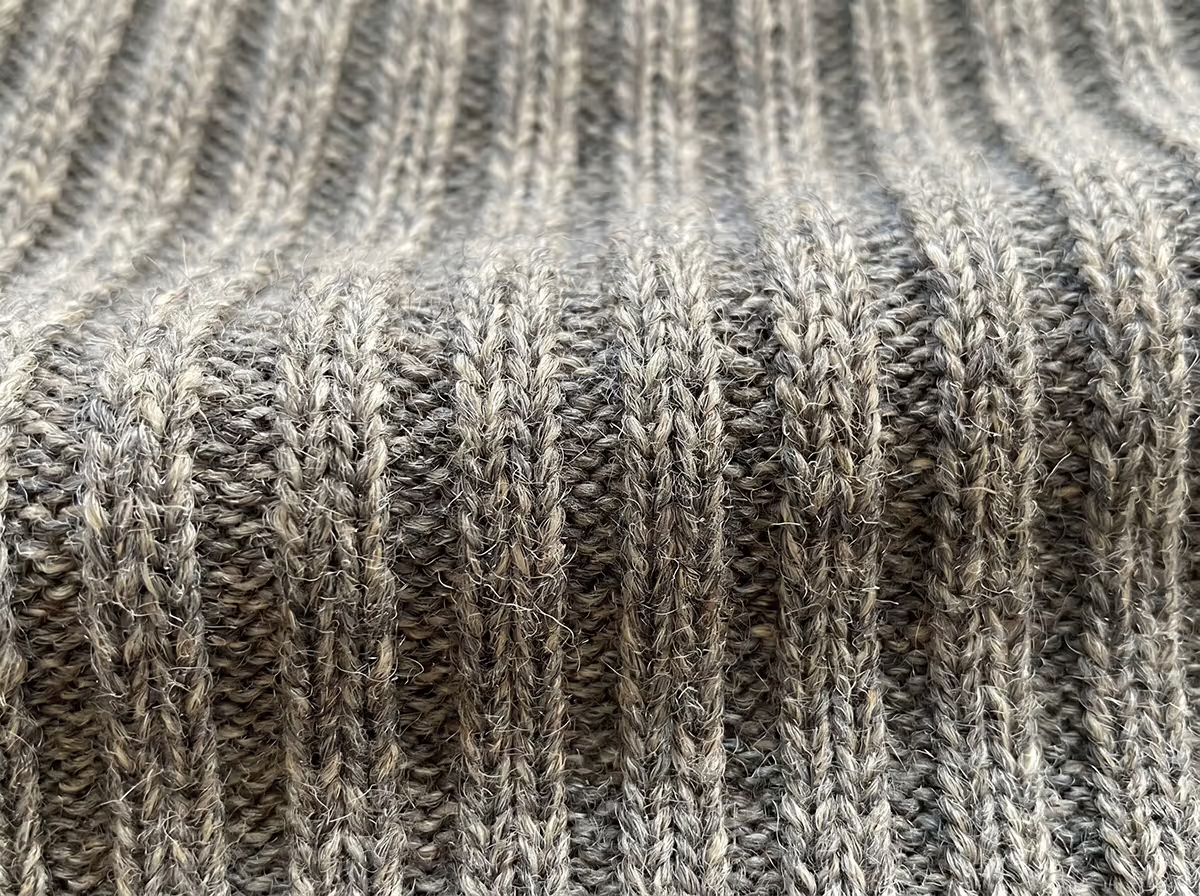
3gg (super chunky): Very visible stitch, thick yarn (typically 1/2–1/3.5 Nm range), maximum bulk and hand-knit aesthetic. A 3gg sweater is a statement piece — the stitch scale is dominant. Production is slower than 5gg because each course knits fewer stitches per pass. Piece weight runs 700–1,200 g depending on size and silhouette. 5gg (chunky): Still clearly chunky, but with slightly more stitch definition and a wider range of yarn types available. The most commercially versatile chunky gauge — works for cables, ribs and textured stitch patterns. Piece weight typically 400–800 g. Most US brands find 5gg delivers the "chunky" aesthetic they want with better design flexibility and slightly more competitive CMT than 3gg. Unless you specifically need the super-chunky hand-knit aesthetic, 5gg is usually the stronger commercial choice.
02
Fiber Tiers
Acrylic blend (40–100% acrylic): Lowest price point. Machine-washable, colorfast, lightweight for the gauge. Suitable for accessible retail price points ($45–$85). Less warmth and breathability than natural fiber. Wool blend (50–80% wool with nylon or acrylic): Mid-tier price point. Better warmth and hand than pure acrylic. Nylon or acrylic content adds durability and reduces pilling. Good for mid-market brands ($80–$150 retail). Merino wool (100% or blend): Premium tier. Soft, warm, naturally odor-resistant. Higher price per cone but delivers a clear quality step up. Suitable for $120–$200+ retail. Alpaca blend (30–50% alpaca): Premium/luxury tier. Exceptional warmth-to-weight ratio, distinctive soft handle and slight sheen. Baby alpaca (finer) is softer but costs more. $160–$280+ retail range. Alpaca is notably warmer than wool — advise customers on this if it's new to your range.
03
Piece Weight and Freight Cost
Chunky sweaters are heavy. A 5gg merino oversized crewneck in size L/XL may weigh 550–700 g per piece. A 3gg alpaca blend runs 800–1,100 g. At 250 pieces, that is 200–275 kg of finished goods before packaging — a meaningful freight volume. Ocean freight from Turkey to the US East Coast for a 250-piece chunky order typically occupies 1–2 CBM. Air freight for chunky knitwear is expensive: at $5–8/kg air vs $0.40–0.60/kg ocean, the premium adds up quickly on heavy pieces. This does not make chunky impractical, but it means your landed cost calculation must include accurate freight weight — use the actual piece weight in your yield calculation, not a generic knit weight estimate.
04
MOQ and Yarn Purchase Minimums
At 250-piece minimum per colour, per size, chunky knitwear is achievable — our MOQ applies. However, bulky yarn comes on large cones, and spinners have their own minimum purchase quantities per color. A specific colorway in a bulky alpaca blend may require a minimum cone purchase that covers 300–400 pieces, meaning the actual yarn-driven floor is slightly above the factory's production MOQ. This is most relevant for custom colors or specialty yarn blends — standard stock colors in commercial acrylic or wool blends typically do not have this constraint. When requesting a quote for a custom color chunky sweater, confirm yarn purchase minimums for that specific fiber type and color to understand the effective MOQ for your design.