A tech pack for knitwear is different from one for woven or jersey garments. The construction variables — gauge, stitch type, yarn count, linking method — are knitwear-specific and have to be written into the document explicitly. A vague tech pack doesn't just slow sampling; it means the factory makes choices that may not match your intent, and you pay for correction samples to discover that.

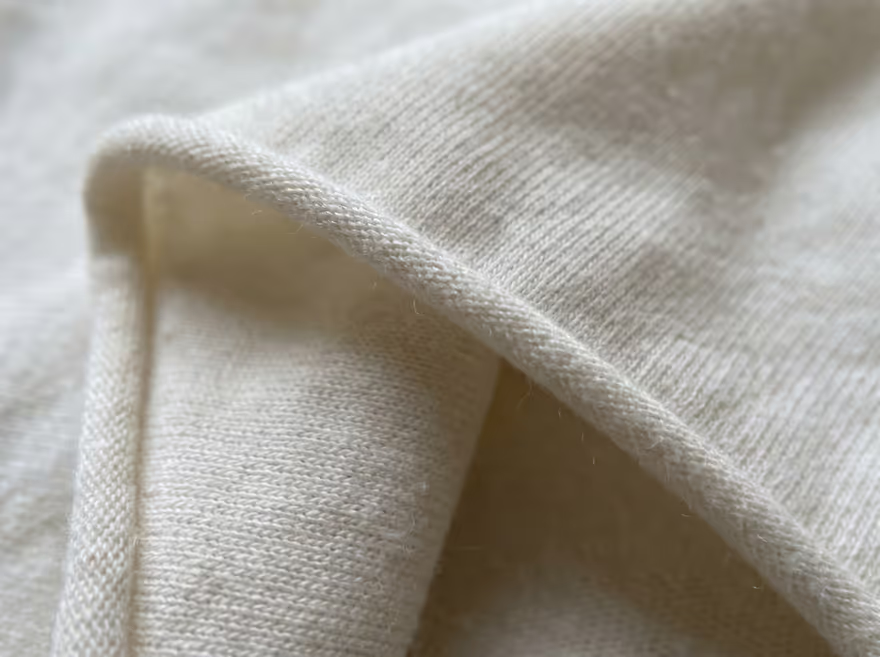
Knitwear quality control — hem and finishing detail, Kiwi Giyim
Hem finishing QC: seam allowance, fold consistency, and label placement checked per unit

What a Knitwear Tech Pack Must Include

01

Garment Sketch (Front + Back)

Technical flat sketch showing the silhouette, neckline shape, sleeve style, hem detail and any stitch detail placement. Include close-up call-outs for stitch pattern areas, collar construction and trim attachment points. Fashion illustration is not a substitute for a flat technical sketch.

02

Stitch Type and Gauge

State the stitch structure (jersey, rib, cable, intarsia, jacquard) and the gauge in needles per inch (e.g., 12gg, 14gg). If different parts of the garment use different gauges or stitch structures, map each zone. "Fine gauge" or "chunky" is not a spec — write the number.

03

Yarn Specification

Include: fiber composition and percentage (e.g., 80% merino wool / 20% nylon), yarn count (Nm or Ne), ply, twist direction if relevant, color reference (Pantone or RAL number for lab dip), and any origin requirement (e.g., non-Xinjiang, GOTS certified). "Soft merino" is not a spec. Your sample yarn choice will be the factory's default unless you specify otherwise.

04

Measurement Spec and Size Run

A complete measurement chart with all points of measure (chest, body length, sleeve length, shoulder width, armhole, neck width, hem width) for each size in the run. State whether measurements are taken laid flat or on-body. Include tolerance in cm (±0.5 cm standard for knitwear, wider for chunky). Missing sizes or measurements delay production approval.

Additional Required Elements

Beyond the core four: colorway reference per colorway (Pantone number or physical reference swatch, not a JPEG); label and trim specification (main label, care label, size label content and placement, zipper or button spec if used); seaming method (hand-linking, over-lock, WHOLEGARMENT — don't leave this to factory default); finishing treatment (garment wash, press, hand-feel treatment); and AQL inspection level (state which AQL standard and acceptable quality level you require — AQL 2.5 Level II is a common starting point for apparel).

Common Mistakes That Cost Money

Frequently Asked Questions

What must a knitwear tech pack include?

A complete knitwear tech pack needs: a technical flat sketch (front and back with call-outs), stitch type and gauge specification, yarn specification (fiber, count in Nm or Ne, ply, color reference), a measurement chart for every size in the run, colorway references (Pantone or physical swatch), trim and label specs, seaming method, and the AQL inspection level.

What is the most common tech pack mistake for knitwear?

Omitting the yarn count specification. Writing "merino" or "cashmere" without count (Nm or Ne) and ply means the factory uses whatever yarn they have in stock — which can produce a completely different gauge, weight, and hand feel from your intent. Always specify: fiber, count, and ply together (e.g., "2/28 Nm 100% merino").

Do I still need a tech pack if I'm sending a physical reference sample?

Yes — a reference sample and a tech pack serve different purposes. The sample communicates aesthetic intent; the tech pack specifies measurement tolerances, size run, yarn composition, and AQL level. Without the written spec, the factory matches the look but may grade sizes incorrectly or use a different fiber composition than you intended.

What AQL level should I specify for knitwear production?

AQL 2.5 Level II is the most common starting point for apparel and sets a statistically valid inspection quantity. For luxury or high-end collections where defect tolerance is very low, tighten to AQL 1.0. State the standard explicitly — "AQL 2.5 Level II per MIL-STD-1916" is unambiguous with experienced production factories.

How far in advance do I need to submit a tech pack before sampling?

1–2 weeks before sampling begins, to allow the factory to review specs, flag missing information, and order any custom yarns or trims with their own lead times. Custom dye colors (lab dip) can add 2–3 weeks if not pre-ordered. Incomplete tech packs submitted at the last minute are the single most common cause of delayed first samples.
OEM Manufacturing

Kiwi Giyim — OEM Knitwear Manufacturer

We work with your tech pack from day one — clear feedback, no middlemen, proto in 12–14 days.

See OEM services →

Ready to sample?

Send us your tech pack — even if it's not complete. We'll review it and flag what's missing before sampling starts, not after.

Related Guides

→ Flat Knit vs Cut-and-Sew Knitwear: A Brand Decision Guide → WHOLEGARMENT Seamless Knitwear: A Deep Dive for US Brand Buyers → WHOLEGARMENT for US Premium Brands
WhatsApp